

Hello everyone, I am the editor. Do you know about LCD screens? LCD screens are used on many devices in our daily lives, but not many people are familiar with them. This is mainly because few people in our daily lives come into contact with LCD screens. So everyone is talking about LCD screens. I am not very familiar with the use or storage of screens. Today, the editor will analyze it specifically for you, hoping it will be helpful to you.
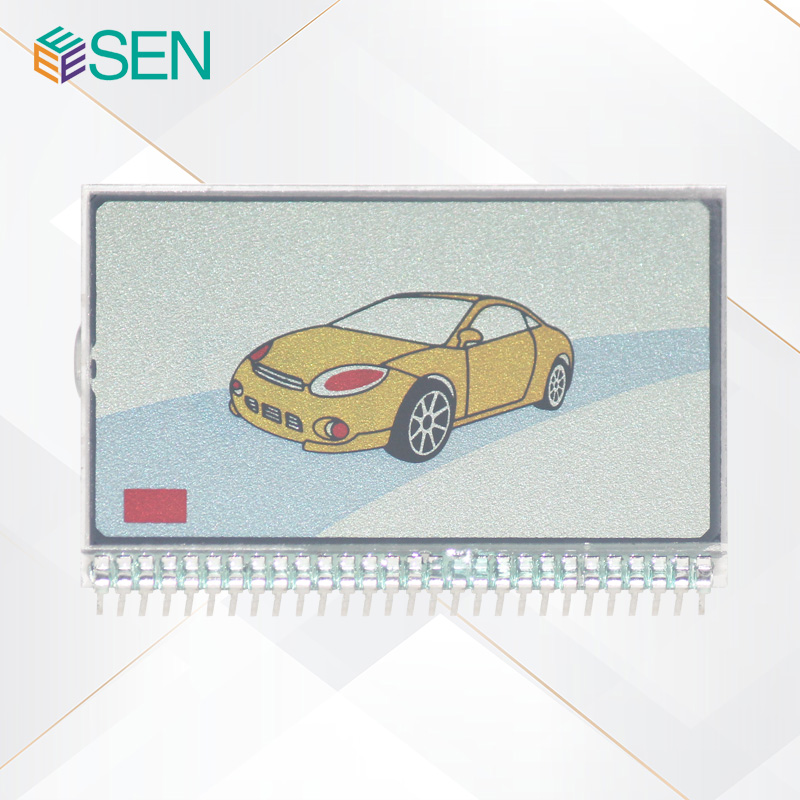
The warehouse for storing products should be free of acid, alkali, and harmful gases; The product should be stored in a dark place and not exposed to direct sunlight or fluorescent lamps; Long term storage, recommended temperature is 10-30 degrees Celsius, relative humidity does not exceed 60%, product storage time exceeds one year, and should be rechecked before leaving the factory.
(1) Because LCD is composed of two thin liquid crystal glasses sealed with sealant. Therefore, during use, it is strictly prohibited to fall, hit by hard objects, squeeze the surface of the LCD screen, and apply uneven assembly force to avoid damaging the LCD screen.
(2) For LCD products with metal pins, strictly prevent pulling or twisting the metal pins during use; When soldering pins with a soldering iron, the soldering time should be short (less than 34s) to avoid damaging the reliable connection between the metal pins and the LCD, Prevent the LCD from working properly.
(3) Due to the plastic polarizer on the surface of the LCD, it is important to prevent scratches or contamination by hard objects during use. After assembly, the protective film of the polarizer on the LCD viewing surface should be removed.
(4) Due to the low voltage and low power consumption of LCD products, if the glass surface is damp and conductive, it will produce "crosstalk" display, causing abnormal LCD display.
(5) To prevent the electrochemical reaction of liquid crystals from affecting their lifespan, it is necessary to ensure that the driving voltage has the smallest possible DC component (50mV).