

1、 Display technology:
CRT monitors use cathode ray tube technology, which is an early display technology that uses an electron gun to emit an electron beam onto a fluorescent screen to display images.
Liquid crystal display (LCD) uses liquid crystal display technology, which utilizes the optical properties of liquid crystal materials to control the passage and obstruction of light, thereby displaying images on the screen.
2、 Display principle:
The working principle of CRT display is that the electron gun emits an electron beam, which is controlled by the magnetic field of the deflection coil to scan the pixels on the fluorescent screen, thereby exciting light and forming an image. The electron beam hitting the fluorescent screen will cause the fluorescent powder to emit light, forming pixel points.
The display principle of LCD screens is to control the arrangement of liquid crystal molecules, adjust the transmission and obstruction of light to achieve image display. The LCD panel consists of two glass substrates with a layer of liquid crystal material sandwiched between them. When current passes through the liquid crystal material, the arrangement direction of the liquid crystal molecules will change, thereby affecting the degree of light transmission and forming an image.
3、 Structure and appearance:
CRT displays are usually bulky and bulky because they contain components such as vacuum tubes, electron guns, deflection coils, and require high-voltage circuits to drive the electron guns.
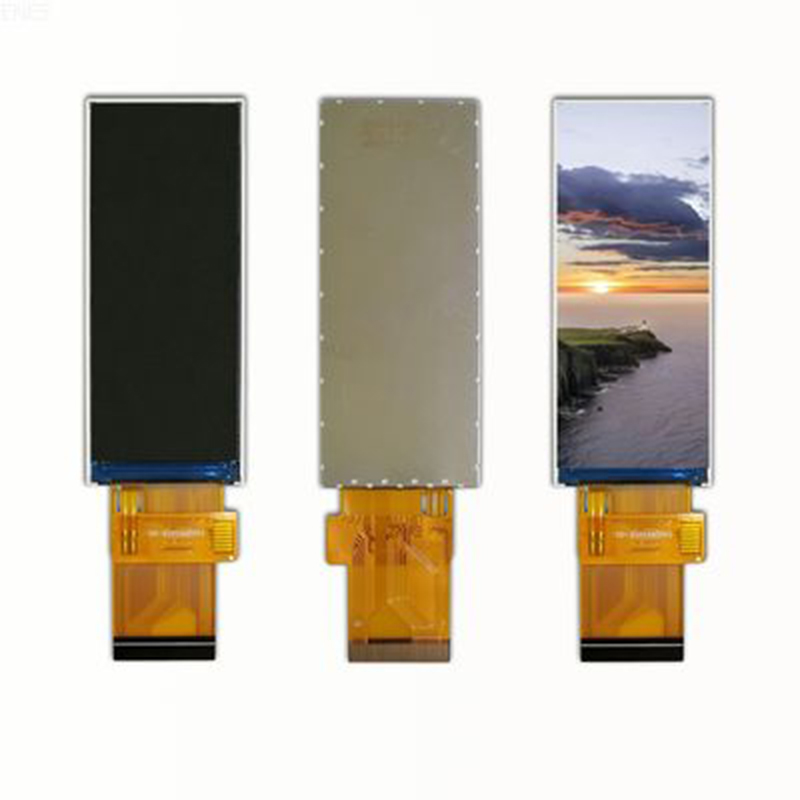
LCD screens are relatively lightweight and have a relatively simple structure, mainly composed of LCD panels, backlight modules, and circuit boards. It does not require vacuum tubes and high-voltage circuits, so it is smaller in size and lighter in weight.
4、 Energy consumption and environmental protection:
CRT monitors, due to the need for high-voltage circuits and large size, usually consume a lot of electricity and are difficult to recycle after disposal, causing certain pressure on the environment.
LCD screens are relatively energy-efficient, compact in size, easy to recycle and dispose of, and have a minimal impact on the environment.
5、 Performance performance:
CRT displays typically outperform early LCD displays in terms of color performance, contrast, and brightness, especially in dark environments.
With the continuous advancement of technology, LCD displays have significantly improved their color performance, resolution, and refresh rate, and can now rival or even surpass CRT displays.