

We all know that newly purchased OLED screens are covered with a transparent protective film, and users should try not to remove it before assembly to avoid scratching the appearance of the LCD screen. When removing the protective film, the LCD screen will display bright lines or other abnormal displays, which is caused by static electricity during the removal of the protective film. After standing for a few seconds, the abnormal display will automatically disappear and it can be used normally.
Moisture is undoubtedly the "enemy" of OLED screens. In addition to avoiding drinking beverages and eating fruits near the OLED screen as much as possible, it is also important not to store the machine in a damp place, as severe moisture can damage the internal components of the OLED screen. It is worth noting that in winter and summer, when entering or leaving rooms with heating or air conditioning, large temperature differences can also cause "condensation". When users power on the LCD at this time, it may also cause corrosion of the LCD electrodes, resulting in sexual damage. We also recommend that the temperature change in your environment should not exceed 10 ℃/10min. Once water enters the screen, if you only notice fog on the surface of the screen before turning it on, gently wipe it off with a soft cloth and then turn it on. If moisture has entered the LCD, it should be placed in a warmer place, such as under a desk lamp, to gradually evaporate the moisture inside. During the rainy season, it is also important to regularly run the OLED screen for a period of time to heat the components and dissipate moisture. Additionally, a small bag of moisture-proof agent can be placed in the package containing the LCD screen to create a good home for it.
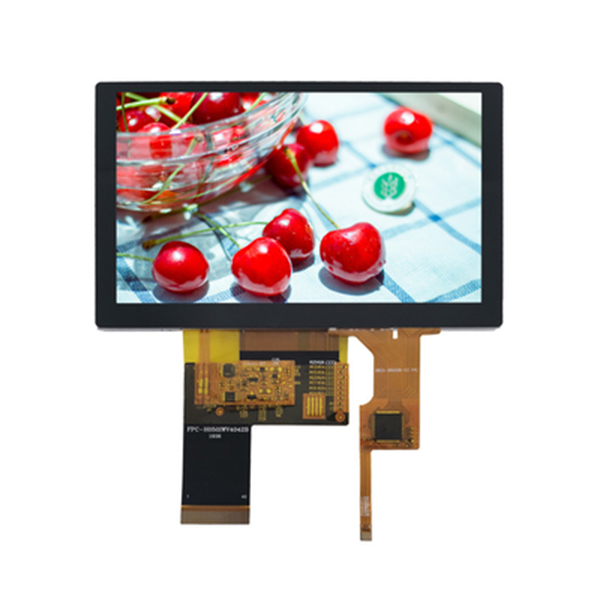
For screen maintenance, in addition to paying attention to the above issues, OLED screens have a much shorter lifespan compared to CRT screens, and their aging rate is also much faster. Therefore, we need to pay extra attention when using them regularly. For example, habits related to screen usage during prolonged periods of inconvenience can reduce unnecessary screen wear and tear. In addition, to delay the aging of OLED screens, attention should also be paid to avoiding direct sunlight for long periods of time, using moderate brightness/contrast as much as possible, and reducing long-term display of fixed patterns (to avoid excessive local aging). Another point is to regularly use specialized soft bristled brushes, eyeglass cloths, ear wash balls, etc. to wipe the screen. If necessary, isopropyl alcohol, alcohol, or a little water can be used to clean surface stains. These tips are very beneficial for OLED screens.