

Thin Film Transistor (TFT) refers to a device in which each liquid crystal pixel on a liquid crystal display is driven by an integrated thin-film transistor. Thus, it is possible to achieve high-speed, high brightness, and high contrast display of screen information. TFT-LCD (Thin Film Transistor Liquid Crystal Display) is one of the most common types of liquid crystal displays.
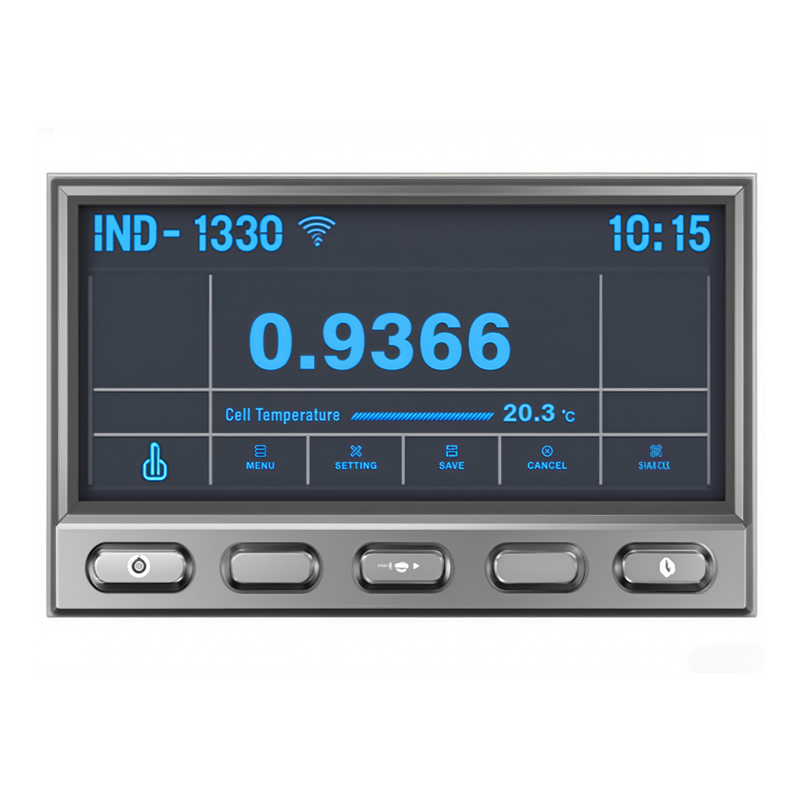
The basic structure of OLED is composed of a thin and transparent indium tin oxide (ITO) with semiconductor properties, connected to the positive electrode of electricity, and another metal cathode, forming a sandwich like structure. The entire structural layer includes: hole transport layer (HTL), light-emitting layer (EL), and electron transport layer (ETL). When power is supplied to an appropriate voltage, the positive electrode holes and cathode charges will combine in the luminescent layer, producing light. Depending on the formula, red, green, and blue RGB primary colors are produced, forming the basic colors. The characteristic of OLED is that it emits light on its own, unlike TFT LCD which requires backlighting, resulting in high visibility and brightness. Secondly, it has low voltage requirements and high power efficiency, fast response, light weight, thin thickness, simple structure, and low cost. Although OLED with better technology will replace LCD such as TFT in the future, organic light-emitting display technology still has shortcomings such as short service life and difficulty in screen enlargement.